


Meeting the happy cows of Fair Cape.
- mommyincapetown

- May 3, 2019
- 2 min read
Last week I was invited by Fair Cape Eco-Fresh to visit their dairy. You are will know Fair Cape yogurts, milk and various other products from your local supermarket. I was introduced to the various measures that Fair Cape has implemented at their dairy to make them a more sustainable company.
Fair Cape Dairies is constantly striving to Carbon reduction throughout their company.
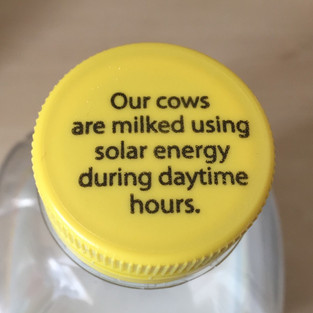
Last year in October (2018) Fair Capes Dairy began running on Solar Energy. The recently installed solar technology allows them to milk their cows “off -grid” during the day, lessening their reliance on traditional electricity and lowering their carbon footprint. Yearly The solar system generates over 160 000 kWh. By using solar power, the farms total energy consumption is reduced by 16% per year over 25 years.
Another of Fair Capes sustainability initiatives is using effluent water for the irrigation of the fruit and vegetables grown on their farms which are used in their yogurt and juice products. They also use the cow manure for fertilizing the fruit and vegetables – smart!
Doing the right thing means investing in recycling. Fair cape places a lot of emphasis on the importance of recycling and making the packaging of their products recyclable. You may have noticed that recently their milk bottle looks different. Fair Cape milk used to be sold in white PET bottle however, they started to receive feedback from their recycling partners that the white bottles added an extra step to their recycling process and were reluctant to accept them. With this in mind, Fair Cape has changed their milk bottles to be clear. The Fair Cape Milk bottles are also perfect containers for Eco Bricks, as they are already square like a brick. If you are making Eco bricks at home, remember this when buying dairy products.
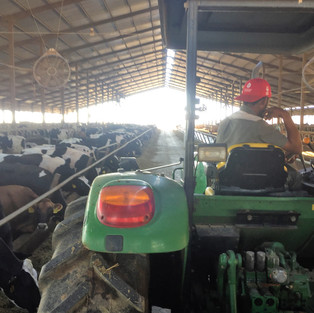
One of the things that impressed me the most about my tour of the Dairy was how humanely the cattle are treated. Humanely and Dairy production are not two words that generally go together. I can guarantee you I would not be writing this article if I did not feel the cows were being treated well. I am a big champion for animal’s rights and welfare. These cows are extremely well looked after and pampered– they have massage machines in their barns. Dairy staff are not allowed to shout or bang any equipment as this stresses out the cows. Each cow is fitted with an ankle bracelet which monitors how many steps the cow took that day if a cow is not moving around a lot this usually means they are ill, and a vet is called to care for the animal. The barns are temperature controlled with fans, so they will never get too hot – cows don’t like hot weather.
At the end of our tour, we got to sample some of the Fair cape products. The new coffee mousse is to die for!
The visit got me thinking about how "we" as consumers can make a difference to the environment and to the treatment of animals. The answer is easy, we vote with our pockets by opting to buy products from companies that run ethical practices and choose to be more sustainable.
* This article was not paid for by Fair Cape Dairies *





There are no happy cows in animal agriculture. Where is your enquiring mind? Do you believe everything you are told? Brush the surface of the dairy industry and you find the most appalling cruelty. Just google “calves in animal agriculture” and watch the videos of day old babies being dragged away from their frantic mothers. Other comments here have mentioned the other cruel practices that come from humans wanting to drink another species’ milk, which was never meant for them.
Logic and compassion are all we need to see what we should be as humans. We should be vegan.
My 10 year old son was invited along with his school and he was smart enough to see right through this PR charade.
Ask yourself, where are the babies who deserve the mothers milk? Why aren’t they together? Why is ok to destroy mothers just because they aren’t humans?
Where are the bobby calves?...
How long do the mothers live?
What is a natural lifespan for a cow?
What is a downer? What does it mean to “freshen” her?
What environmental effects result from keeping huge herds of cows in high concentration?
I am shocked that you are so easily tricked by this nonsensical marketing.
It is obvious that the dairy industry needs to take drastic public action to improve…
I would really like to know what makes these cows happy? please could your provide more information on what happens to the male calves. Can you confirm if the female calves are artificially inseminated? At what age are the cows sent to slaughter? look forward to your response
Where are the happy cows please? Are they happy that they are raped in order for them to become pregnant and give birth in order for them to produce the said milk? Are they happy cows when their newly birthed calves are forcefully taken away from them because the babies would want to drink said milk from their mommy? Milk is for baby cows not for humans. PLease please show me the happy covws Also do some of your own research about the animal protein called Cassein and then make the informed decision whether you will continue consuming dairy.
Good morning. Did they show you where they use the rape rack for the cows? (That is what the industry itself calls it) Did they tell you what happens to the young? Because male calves are useless to a dairy farm. Did they tell you their cows go to an abattoir when they cannot give enough milk anymore, usually after about 4 births (four - five years) and having their child taken away from them, every single time? As a woman and mother, I am sure you'd be interested in this side of the operation, which is standard farming practice.